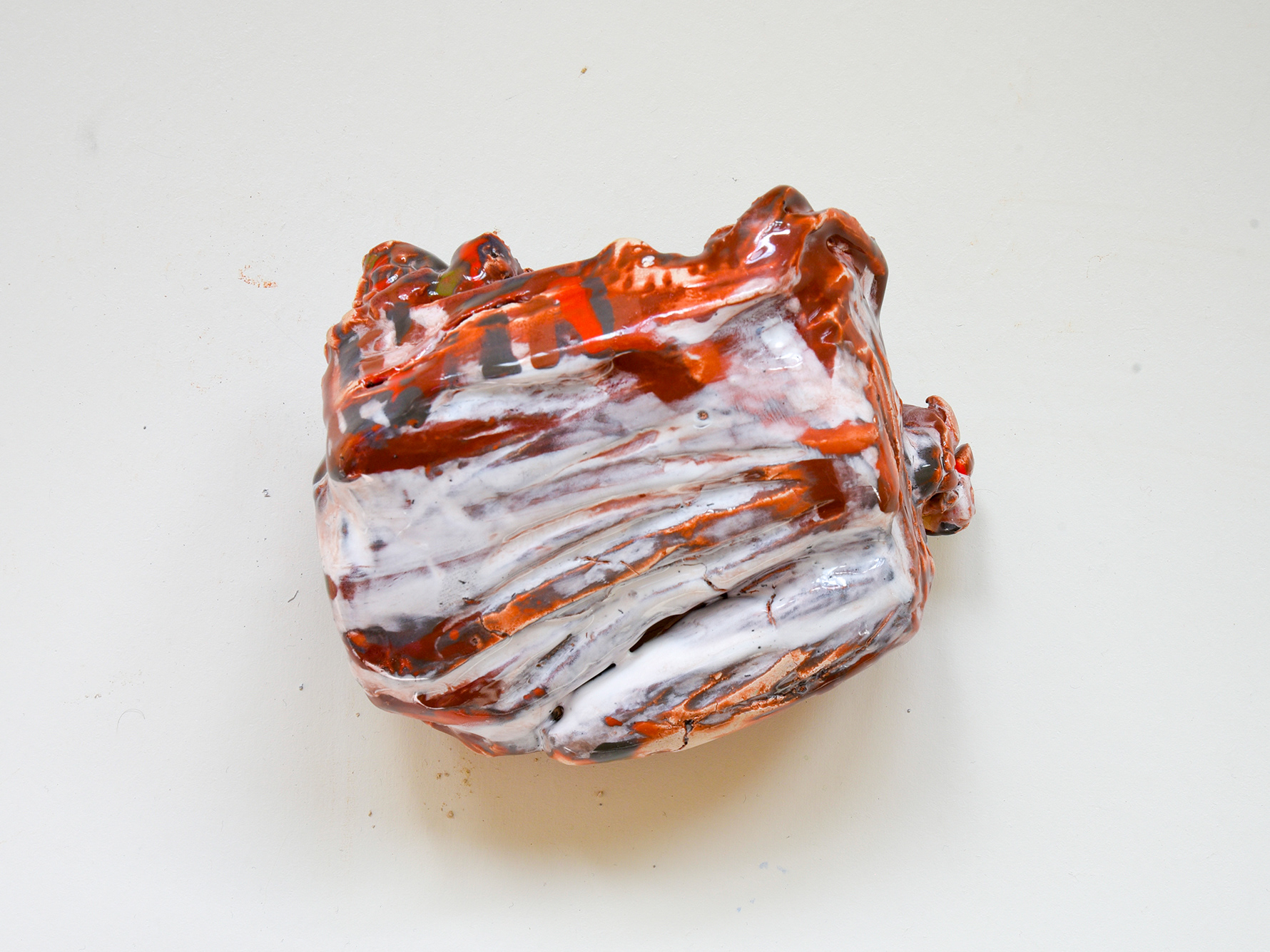
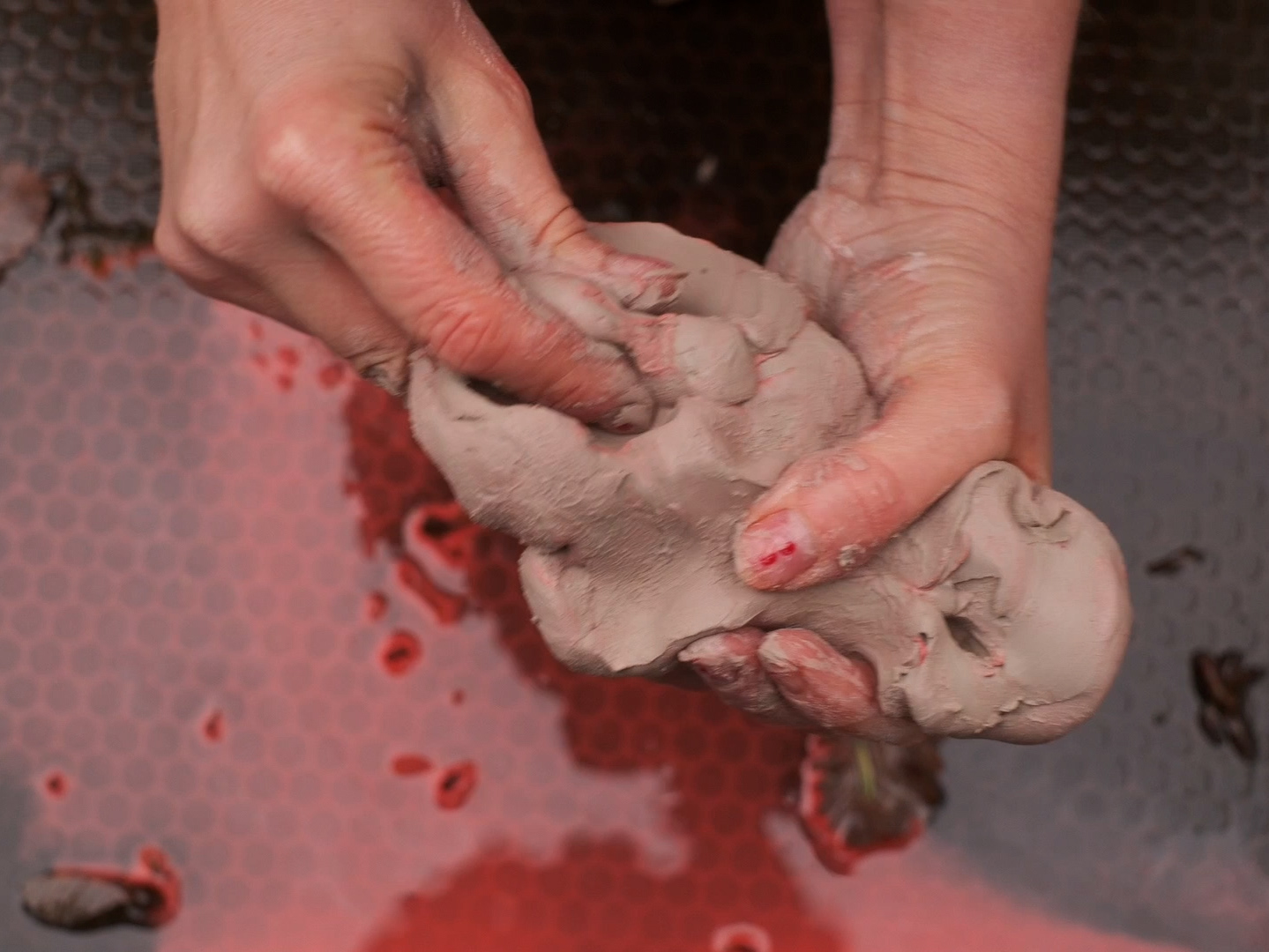
The fear of one's own death is real at the level of the body. This is the function of fear: to protect us from threat. The fear of the world's disappearance usually remains intellectual. But the body reacts when it sees the beauty of the world and feels the happiness of simply seeing. To be a camera obscura that gathers light and forms an image of the world within. And then comes the fear of losing this possibility.
What if my camera obscura, myself, remains — but the world disappears?
What if my camera obscura, myself, remains — but the world disappears?
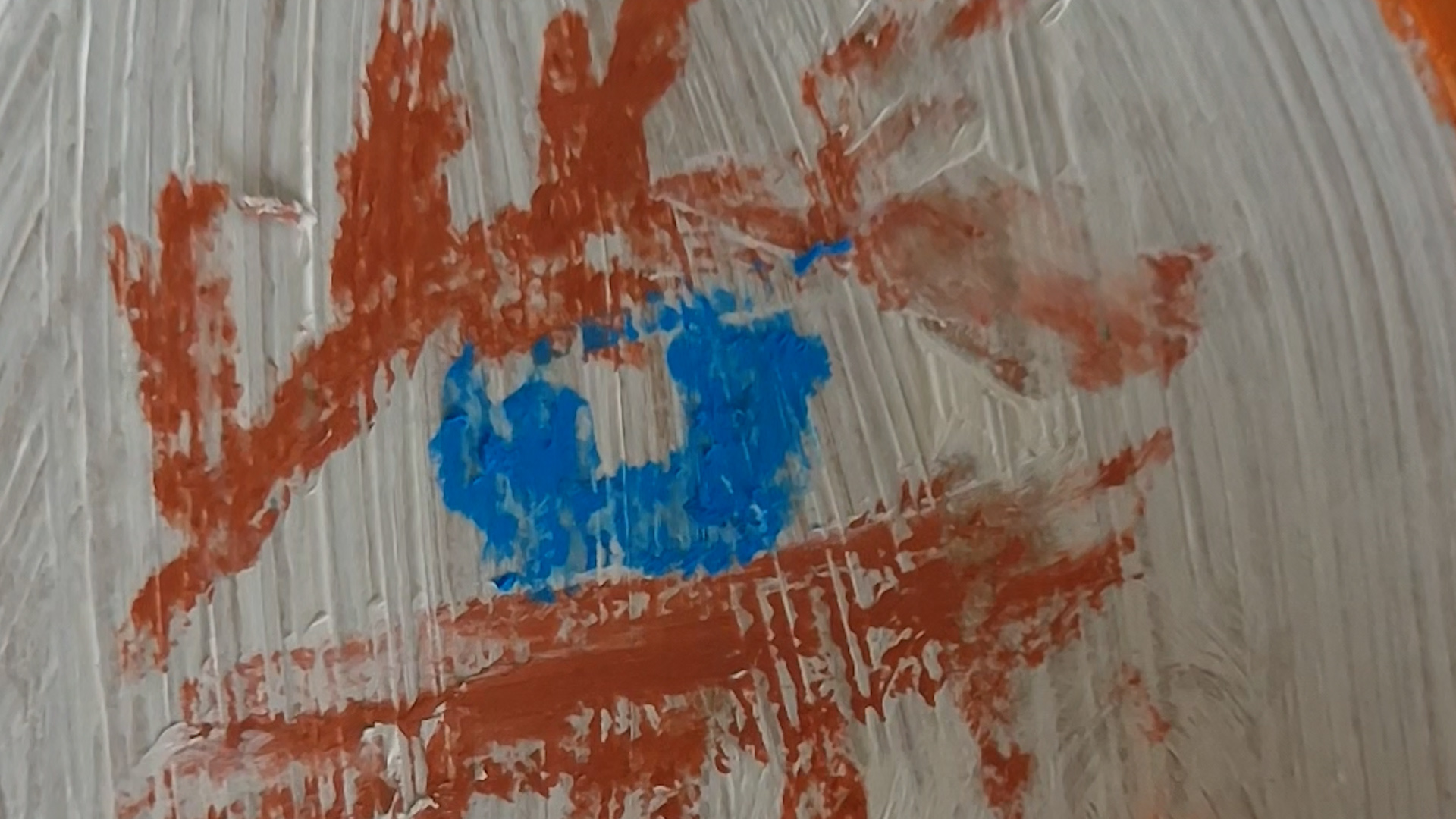
Morning. A street. A woman finds a cardboard box by the bins and brings it home. At the kitchen table, in the middle of an ordinary morning, she draws a face on the box and cuts open its eyes.
The work starts from a personal observation: the fear of one's own death and the fear of the world's disappearance are not the same thing.
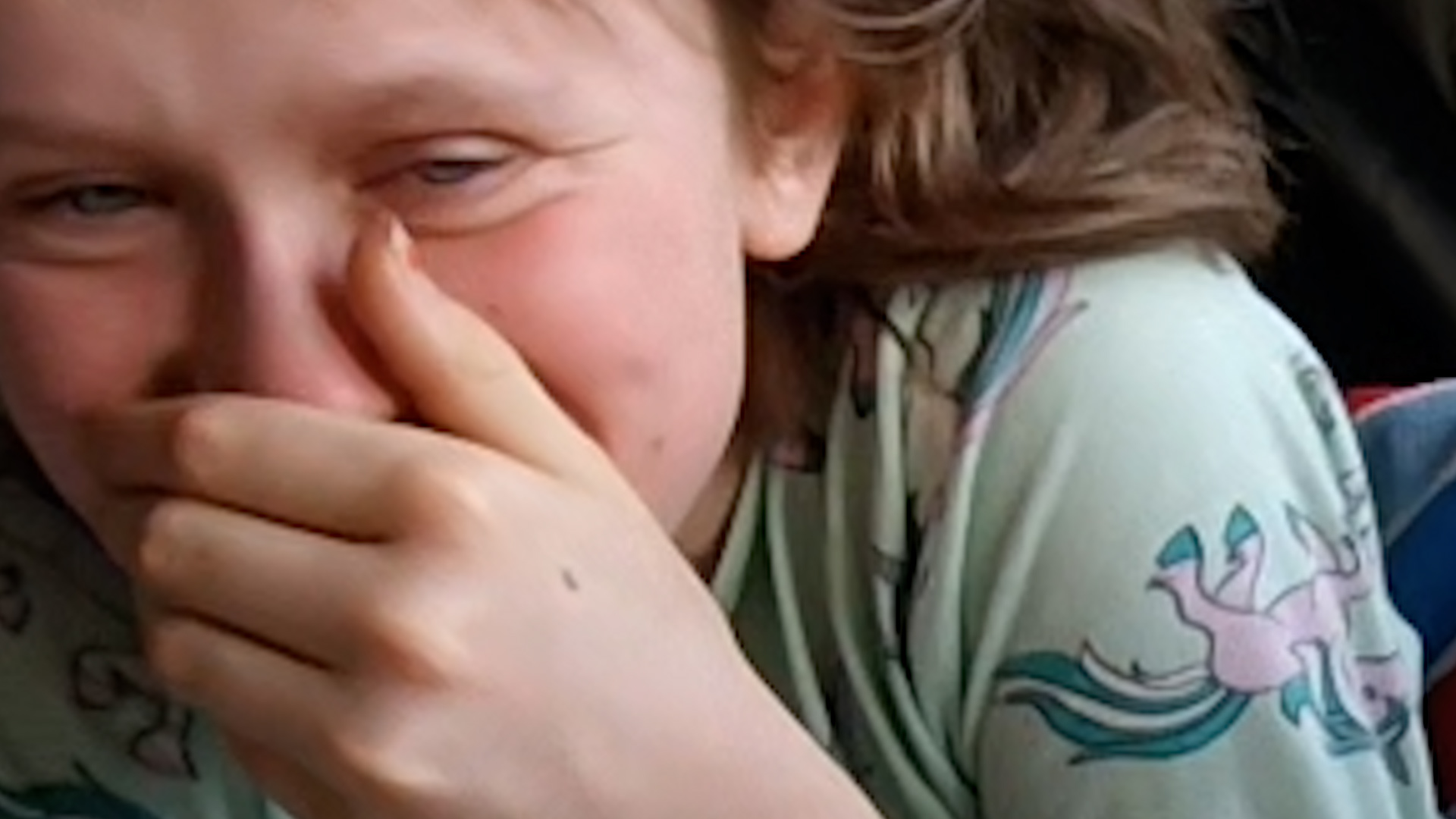
The found box becomes a camera obscura, a device that gathers light into an image. Eyes cut with a knife, like a first look outward from within. Breakfast, a child's laughter, a cat at the bowl. This is my world. Concrete, precious, tangible, and fragile.
The materials are as simple as possible: a found box, paint, a knife, natural light. The work was made at home, among children, inside everyday life. Motherhood here is not a subject. It is the lens.
Camera Obscura. What if one day the light does not appear.
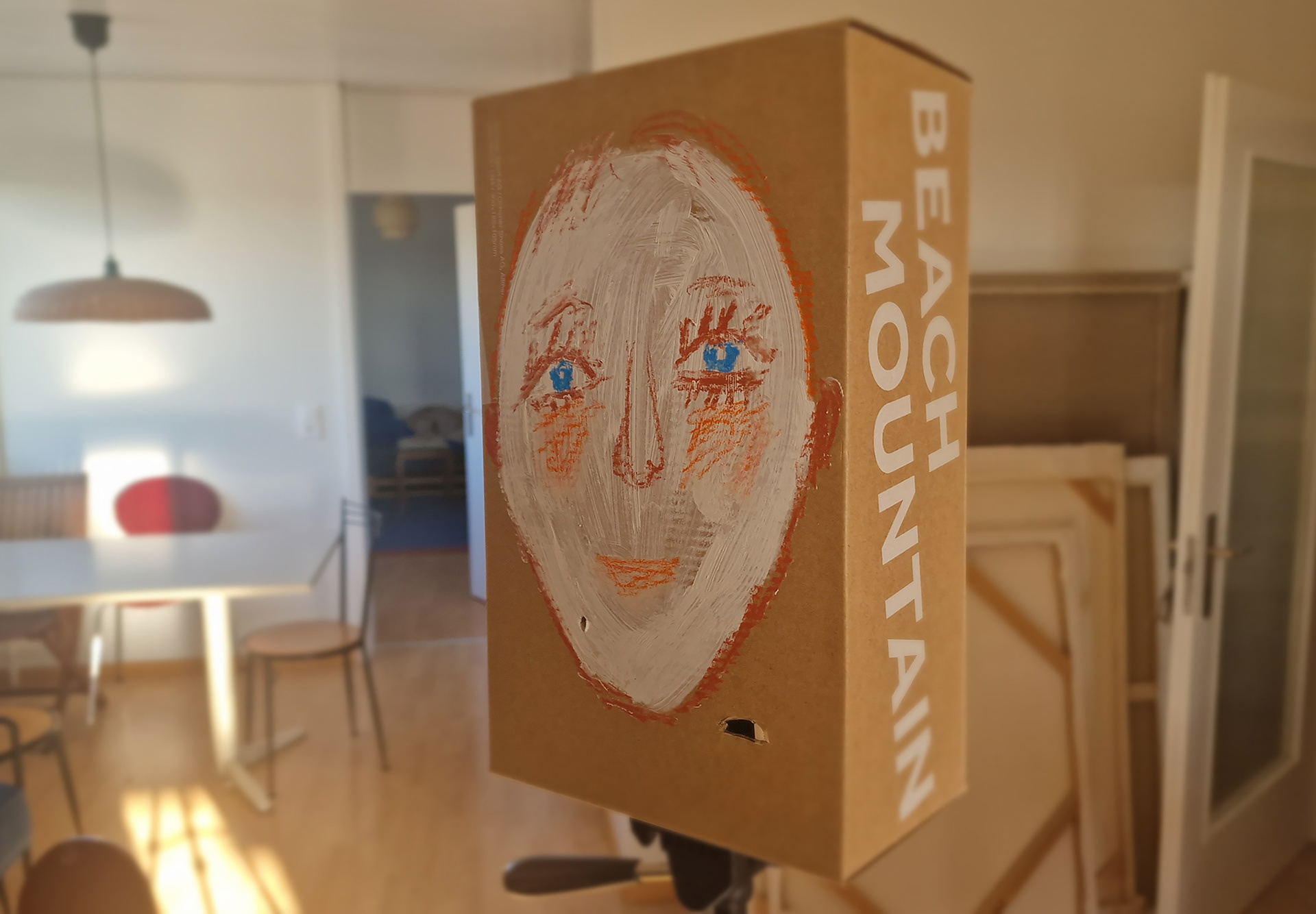
The work explores the gap between bodily and intellectual fear: the fear of one's own death is real at the level of the body, while the fear of the world's disappearance usually remains abstract. The camera obscura is used as a metaphor for the body itself: we exist and perceive reality only through it, only as long as light passes through us. Eyes gather light and form an image. In this sense, every human being is a camera obscura.
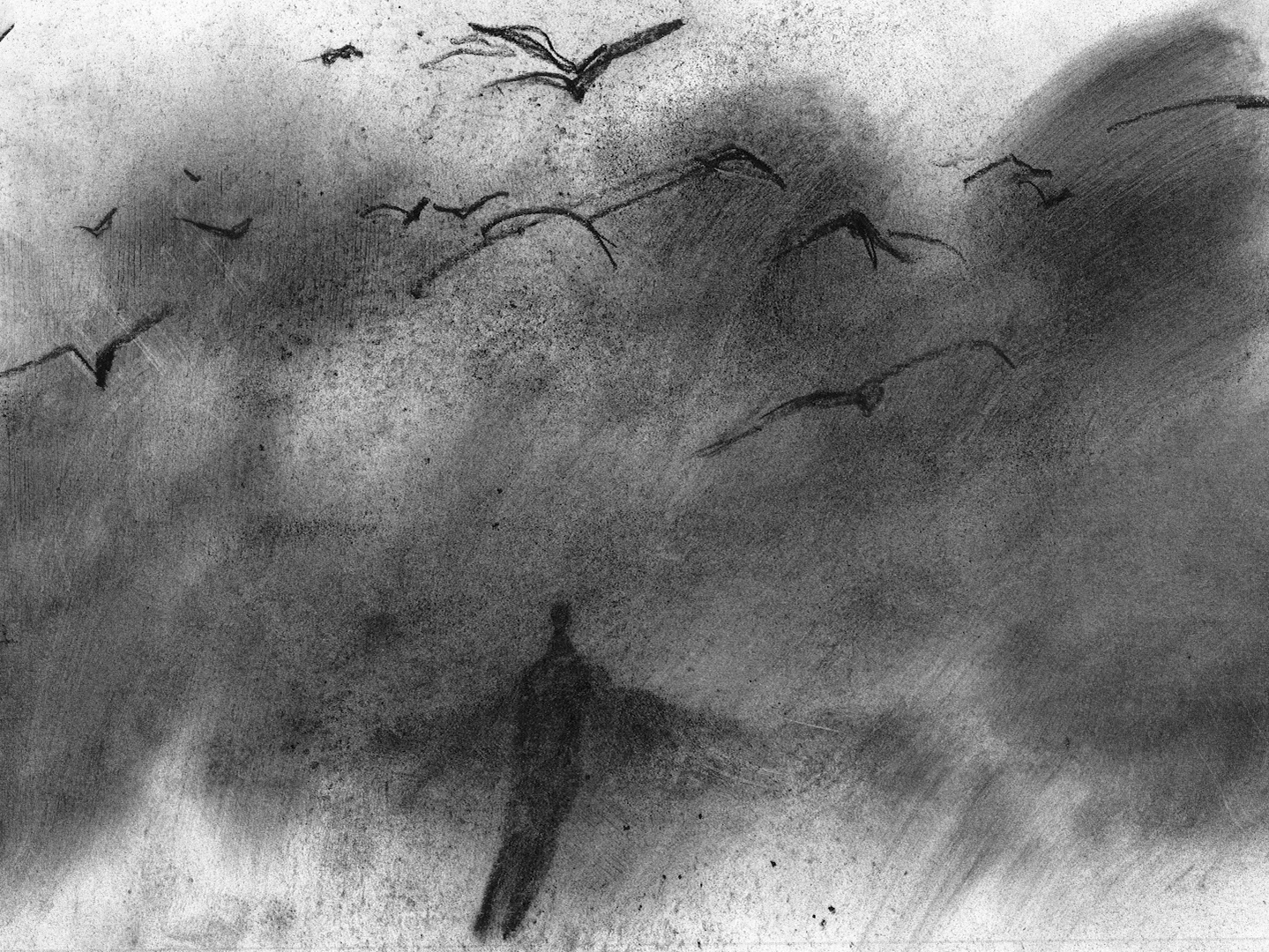
A cardboard box with cut-open eyes opens and closes. The camera obscura gathers the world: light and sound. Birds, wind, morning. But one day nothing appears behind the open eyes. Only a last flash of light, then darkness and a ringing in the ears.
The work was made at home, among children, inside everyday life, with the simplest possible materials: a found box, paint, a knife, natural light. It is part of a long-term investigation into bodily experience, perception, and contact with the world.
The work engages with several themes: vision and perception as bodily acts of existence, the fragility of everyday life, the maternal perspective, domestic space as an artistic environment. In this sense, the work is close to the practice of Marisa Merz.